
How do Russians feel about the war in Ukraine? What information are they getting about the war? What about the reports of people leaving, especially
This week, International Horizons showcases an interview by RBI and EU Studies Center director John Torpey with political scientist Ivan Krastev about how Russia’s invasion of Ukraine will affect
China has become a powerful global actor with what increasingly seems like a potential claim to global primacy. Is it an economic powerhouse and a
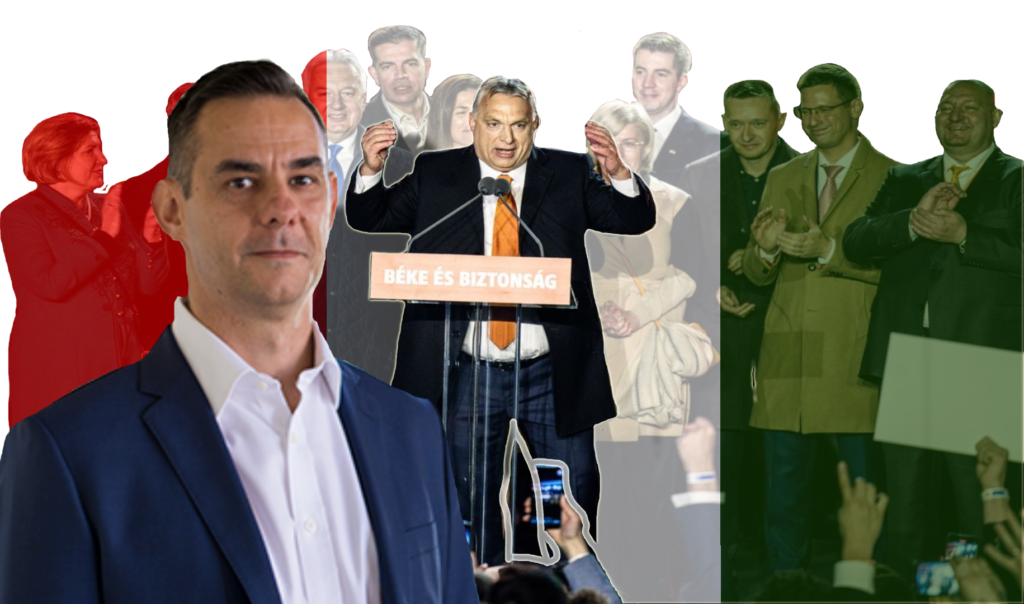
Hungary’s Viktor Orban, the originator of the notion of illiberal democracy, has now been re-elected for four more years as Prime Minister of Hungary. This is on top of the 12 years that have preceded this election, and a previous stint as prime minister. This time he won with a supermajority that allows his party to revise the Constitution unilaterally. How did he do it? What can we expect from the ruler whom many regard as the greatest threat to democracy and Eastern Europe other than Russia? What will the EU do?
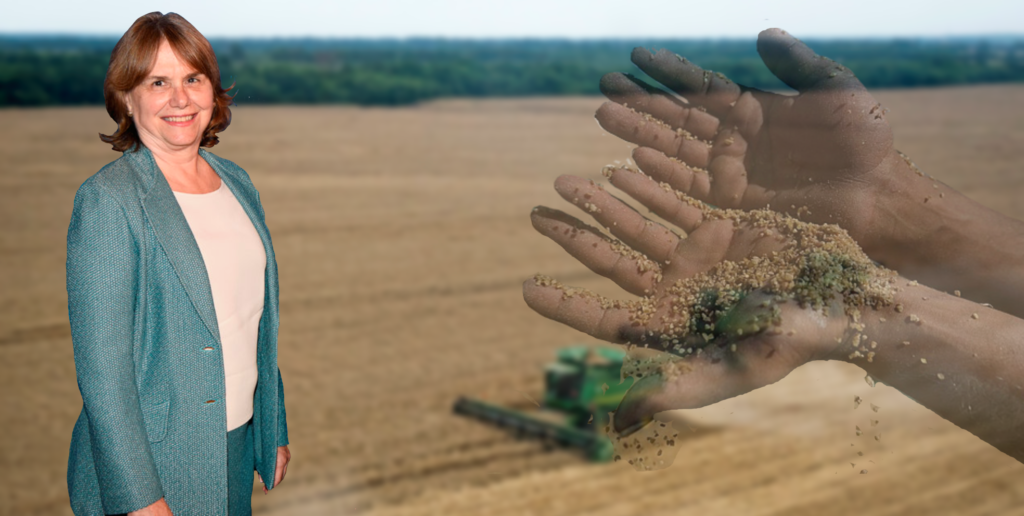
Russia’s war on Ukraine has led to thousands of civilian deaths, thousands more soldiers’ deaths and millions of refugees and internally displaced persons. But this is only the beginning of the human toll of the Ukrainian war. A number of commentators have observed that perhaps the most important humanitarian consequence of the war may have to do with its effect on the availability and price of food around the globe. What will the war’s effect on the global food supply look like?
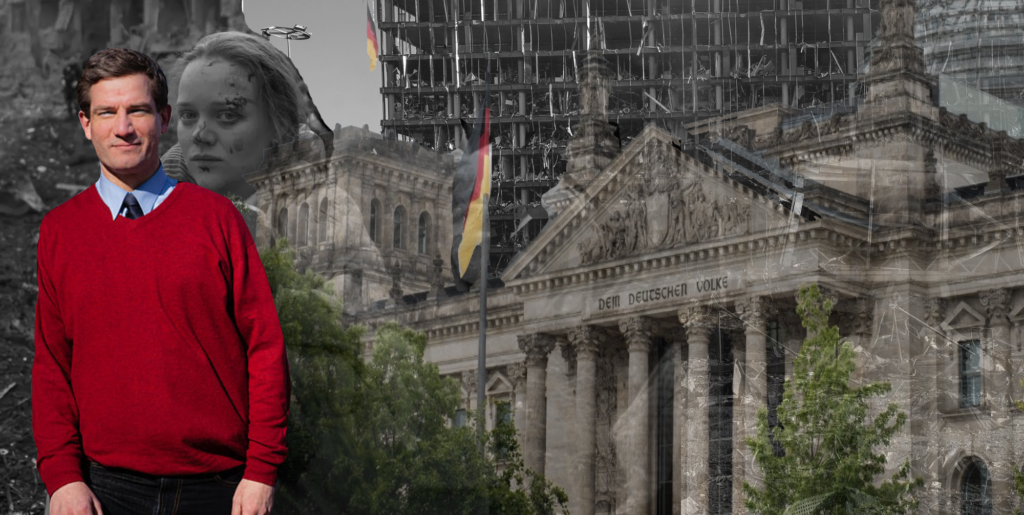
Two foreign and defense policy. In particular, it has agreed to substantially raise its military spending, as well as to give substantial weaponry to the Ukrainians to assist them to defend themselves. Recently installed, Chancellor Olaf Scholz called it “Zeitenwende,” a “watershed” or perhaps more literally an “epochal transformation.” It’s been noted that this watershed development has also taken place with three women in the top security and defense jobs in the new German government: at defense Christine Lambrecht, minister of foreign affairs Annalena Baerbock, and interior affairs Minister Faeser.
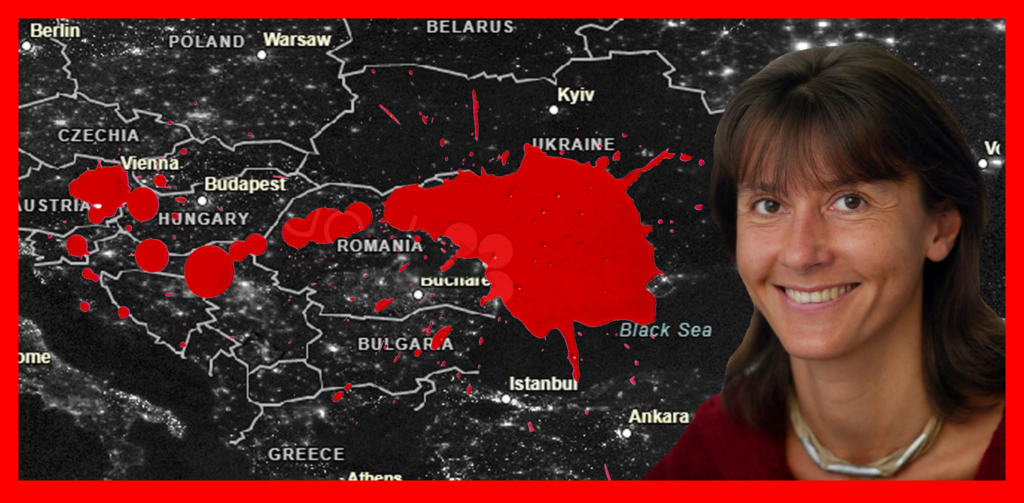
The Russian invasion of Ukraine has created a military stalemate, perhaps soon to be called a quagmire, and a humanitarian crisis of a magnitude last
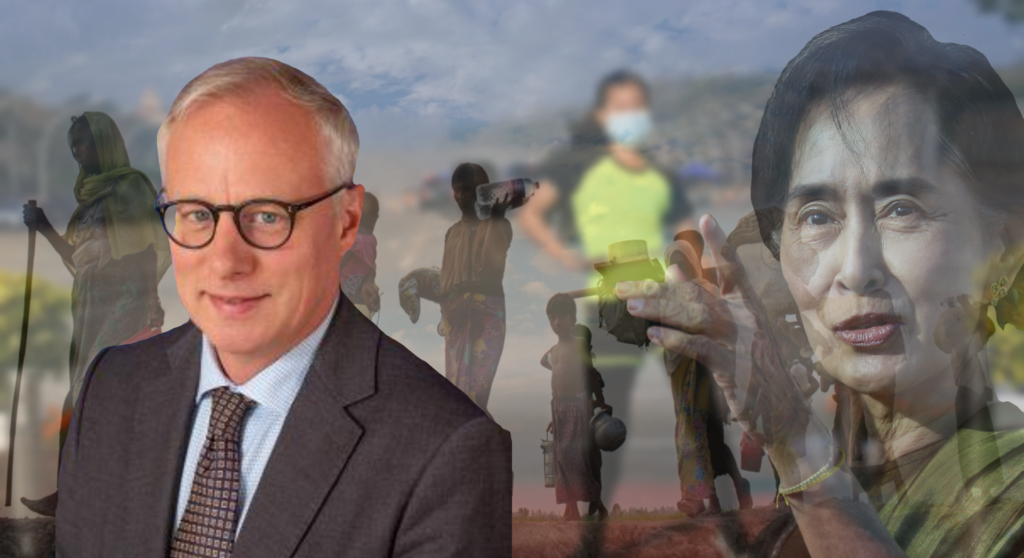
Marcus Brand, International IDEA’s Head of Programme for Myanmar and former UN Development Programme Ukraine Director, speaks with Ralph Bunche Institute Director John Torpey about the parallels between the military coup in Myanmar and Russia’s invasion of Ukraine, including unexpected resistance, humanitarian crises and massive refugee flows, and possible optimism about what it means for the future of democracy.
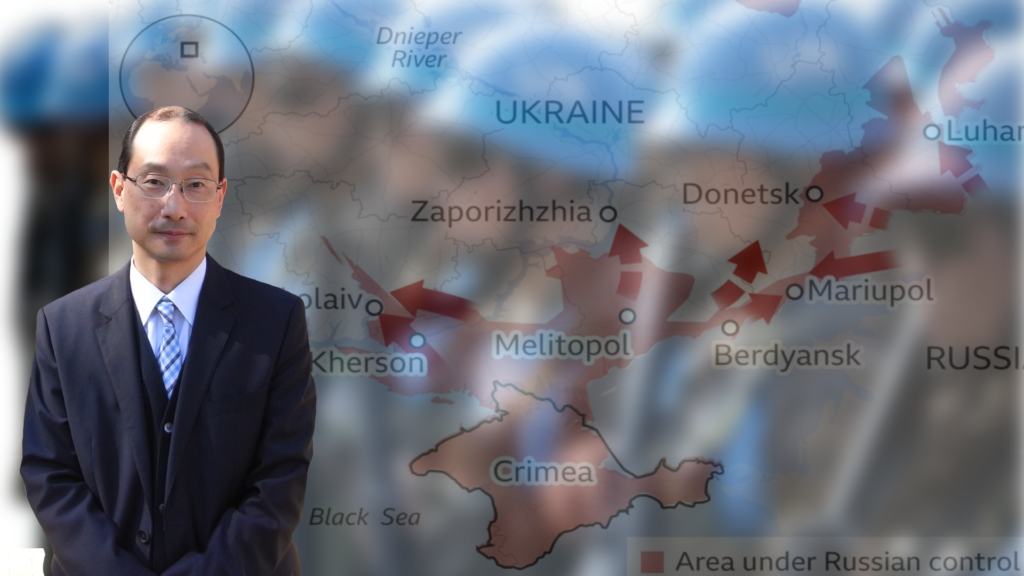
How can previous conflicts inform what is happening in Ukraine? What is the credibility of the UN in conflict mediation? What should the stance of
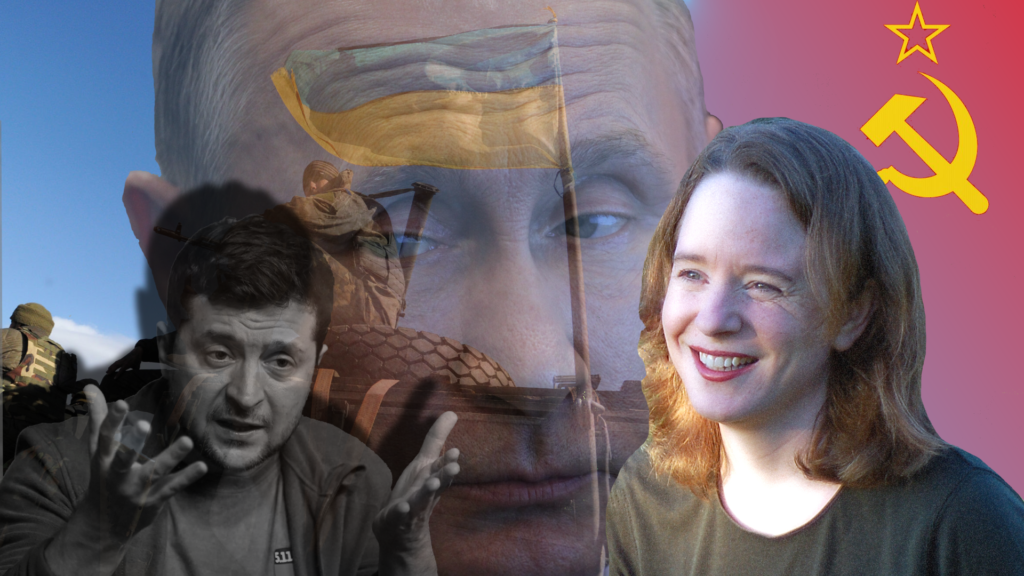
What is Putin’s mental state? Is this the autumn of Putinism? Is the invasion a legitimate response to NATO expansion? This week, RBI director John Torpey talks to Queens College Professor Julie George about the real motives behind the Russian invasion of Ukraine, the role of NATO and the U.S. in the invasion, the views of Russians and Ukrainians about the war, Putin’s miscalculations of the world’s reaction, and the prospects of nuclear weapons being deployed in the conflict.