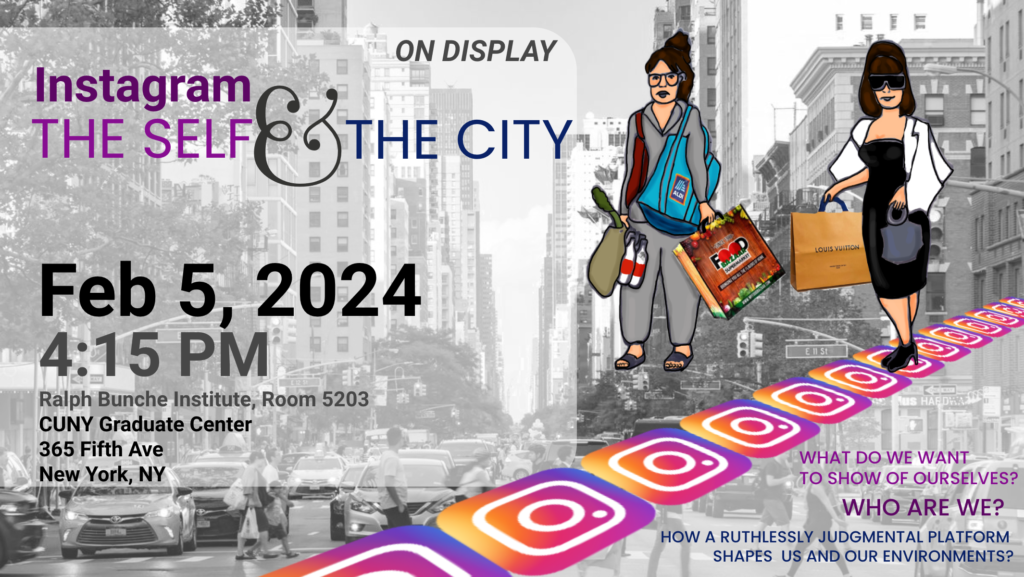
Two billion people around the world use Instagram, but so far social scientists have done little research on the platform. Despite Instagram’s reputation for shallowness,
This fellowship program is the next iteration of the China at CUNY Initiative (CACI). The goal is to enable GC students who are, or will
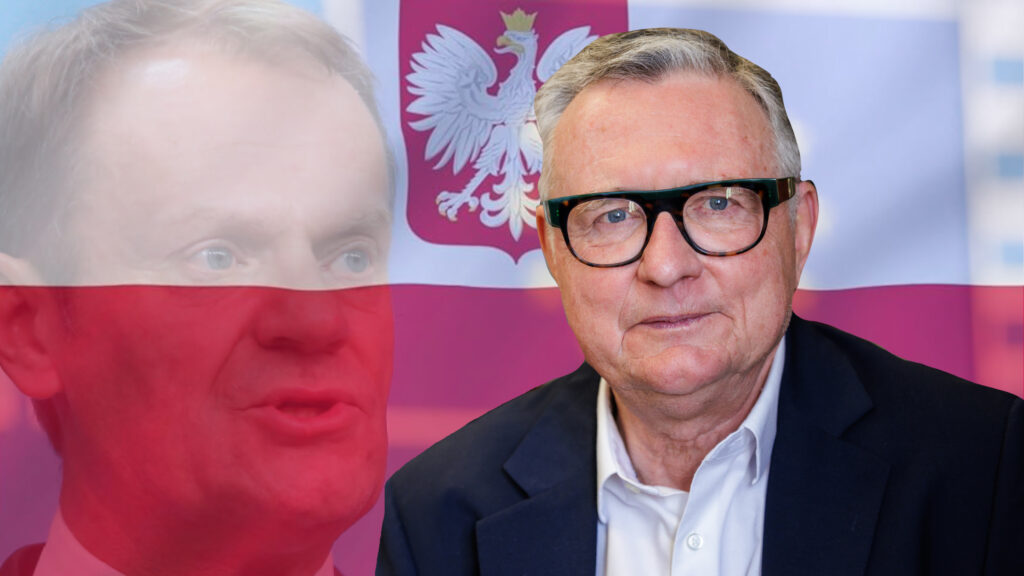
In this episode of International Horizons, RBI’s Director John Torpey interviews Grzegorz Ekiert, Chair of the Center for European Studies at Harvard University, a propós
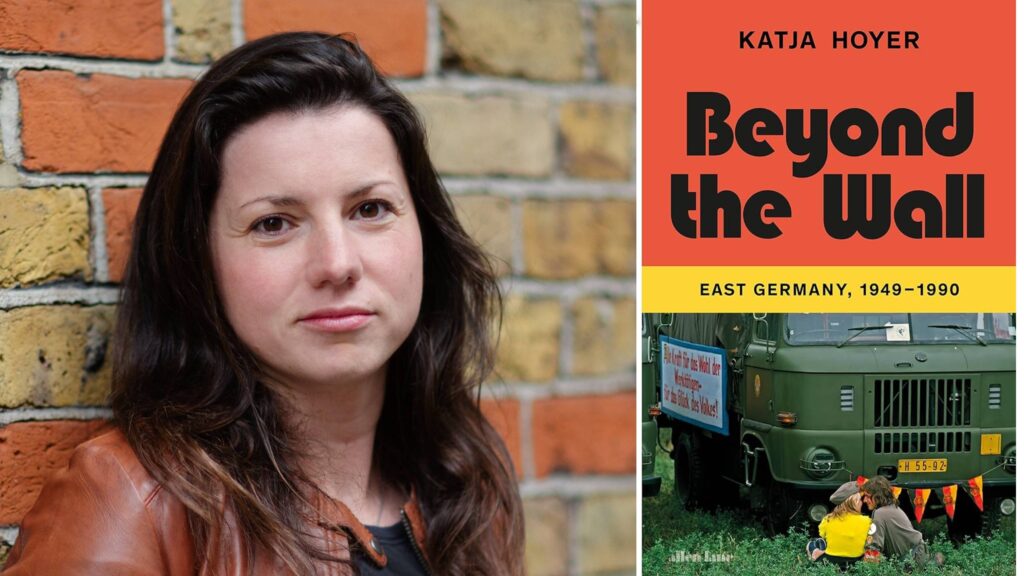
In this episode of International Horizons, RBI director John Torpey interviews historian and journalist Katja Hoyer about her book Beyond the Wall: A History of


In this episode of International Horizons, RBI director John Torpey interviewed Jayati Ghosh, professor of economics at the University of Massachusetts at Amherst, about different
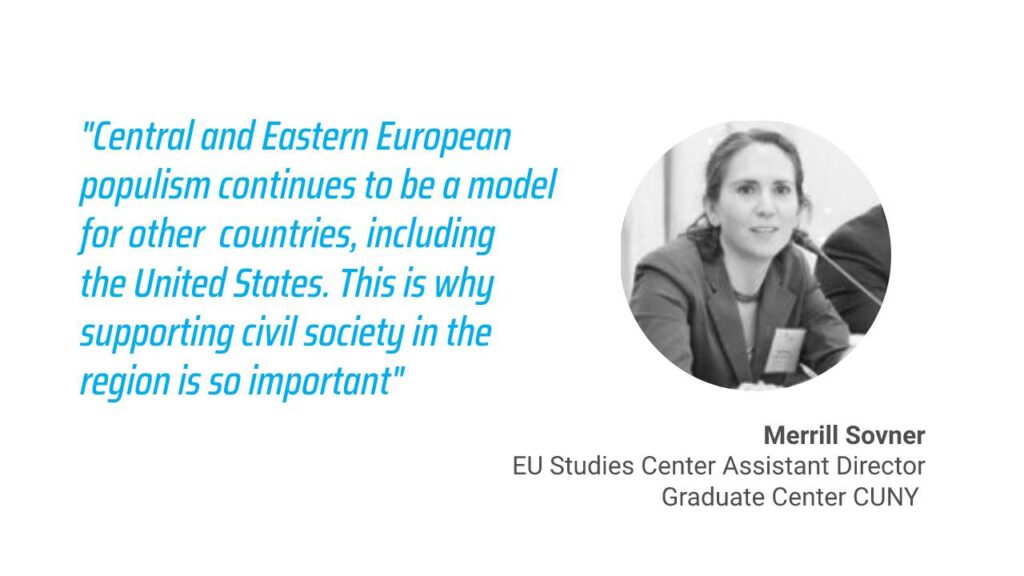
Please check this article were EU Studies Center Assistant Director is quoted.
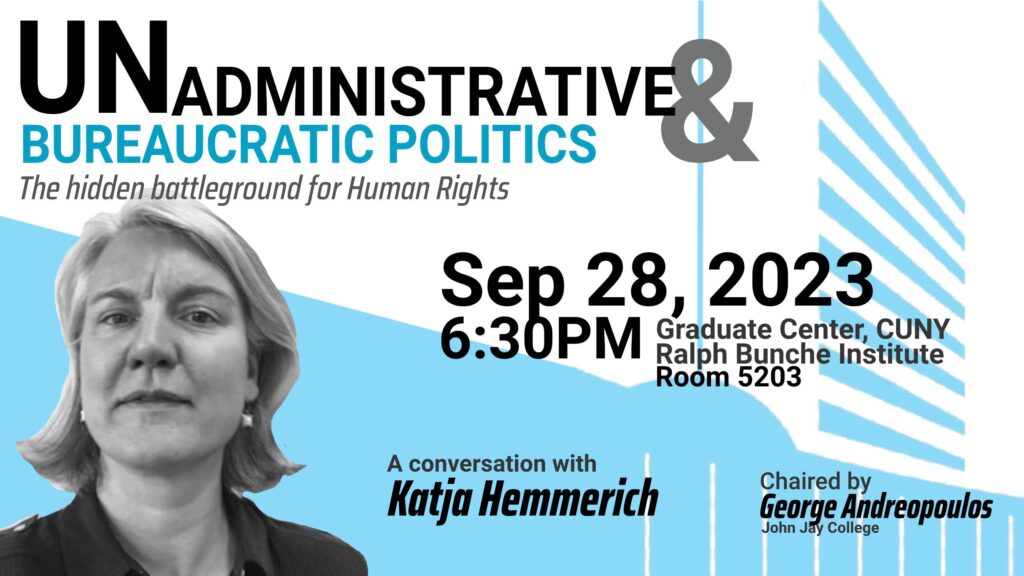
Join us for a conversation with Katja Hemmerich, expert on the United Nations. The session will be chaired by HRH steering committee member and Professor
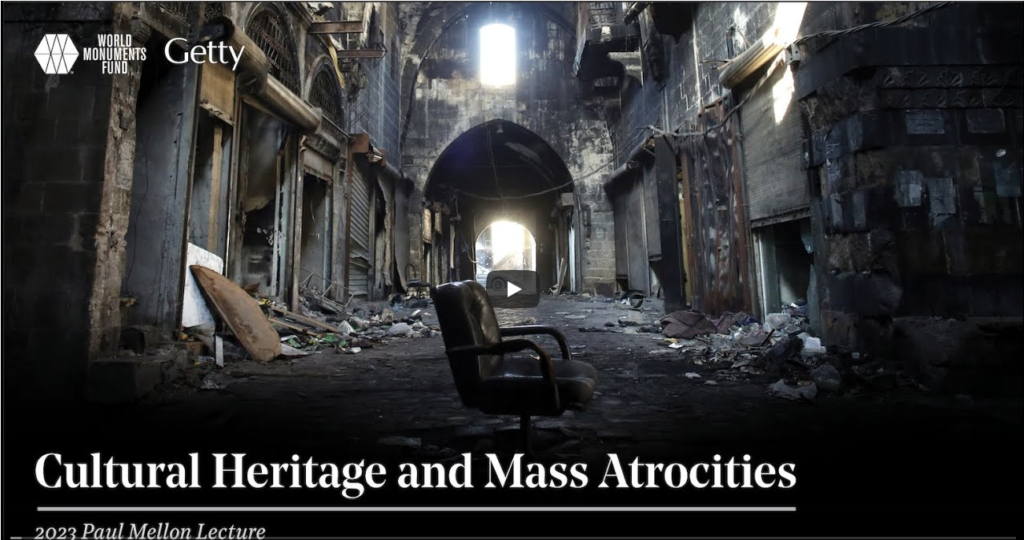
One year after the launch of Russia’s invasion of Ukraine, World Monuments Fund (WMF) and the J. Paul Getty Trust held the 2023 Paul Mellon
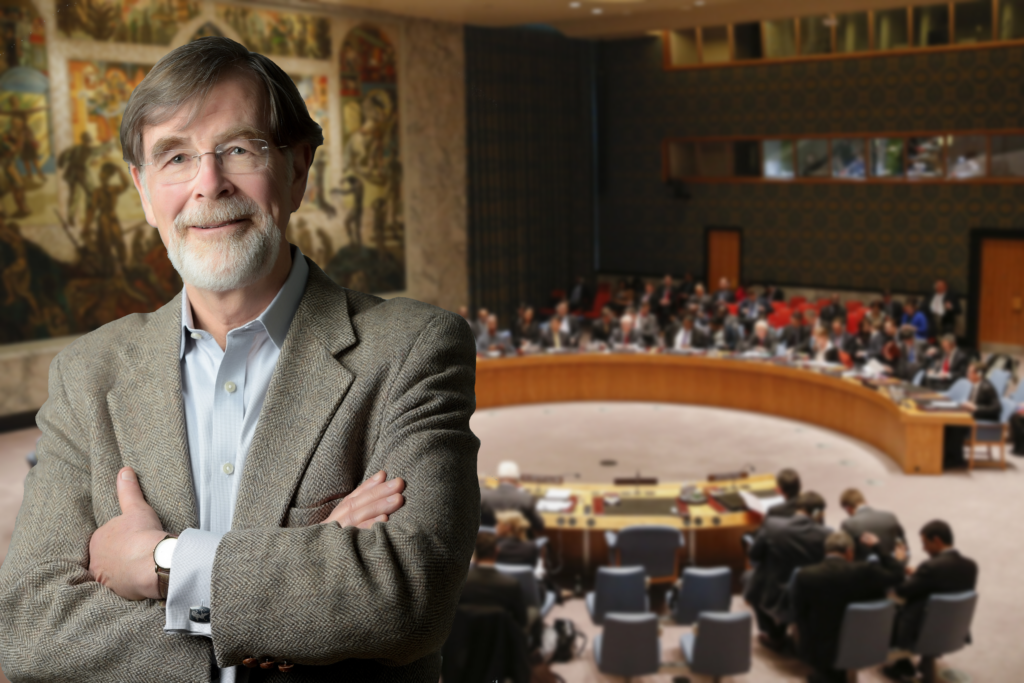
Originally Published in The Conversation April 8, 2022 A clearly anguished Ukrainian President Volodymyr Zelenskyy on April 5, 2022, castigated the U.N. Security Council members